Search This Blog

Showing posts with label Kanye West. Show all posts

Friday, June 21, 2013

New Jersey White Boy's Rap of the Week: Yeezus by Kanye West

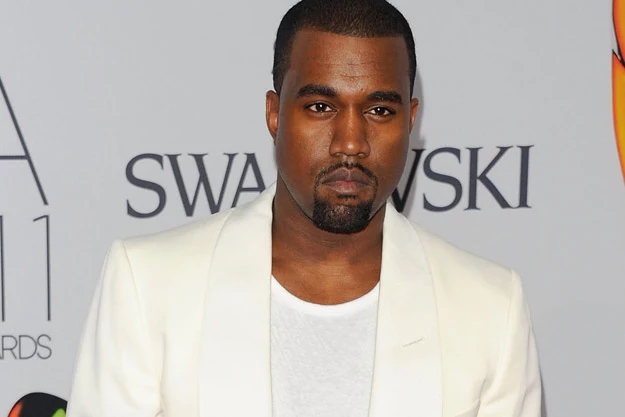
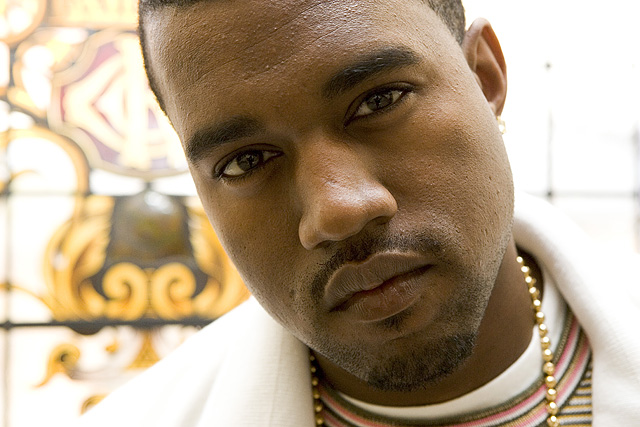
Fun Fact - This picture was actually from 2006 for the cover of Rolling Stone,
after Late Registration tore up the Grammys

So, I’ve been bumping Yeezus all day, every day. And let me tell you, it’s… slightly above average.

Kanye West has spent his career trying to reconcile his two halves – his pop-rap leanings, and pushing the boundaries of rap as an art. It started out as trying to talk about real issues during the time gangsta rap was massive. It moved to pushing other boundaries, like defining stadium rap sounds (Graduation), what emo rap is (808’s and Heartbreak), and dark sounds with rap (My Beautiful Dark Twisted Fantasy). Here, we see him try to reconcile all of the iterations of Kanye, while pushing what industrial pop-rap sounds like. Think Death Grips, but meant for the radio/hood. If it sounds like a monumental task that might come out as a relatively incohesive mess, well, you’d be right.

The album essentially is in two parts – the more industrial, “fuck the system” first half, and the “I did what I wanted to do” second half. The first two singles, if you can call them that, “Black Skinhead” and “New Slaves” are standouts on the first half, criticizing corporations for exploiting people, but also the materialistic culture of young Americans who feed into it. He also addresses racism – the racism he sees from the rich white people he rubs shoulders with, along with the racism black culture throws at him for “acting white” (which might also be taken to rail against the “hood” mentality of a lot of young black people). The beats are open, dark, and rough, featuring blaring synths, distorted basslines, screams, scared panting, and heavy drums.

Where's Daniel Tosh to say "high fashion"
I Am a God” will be the song people cite when they say how arrogant, douchey, and full of himself West is, because people don’t like to listen deeper than the music. But that’s a different article for another day. Regardless, with a title like that, it’s hard not to believe that it’s just based on his egotism. But I have a different theory, but you have to only look at this album, not at Ye, not at his public persona, nor at his earlier albums. This fits squarely in the criticism of the “hood” mentality. This is a hyperbolic brag that you would see Lil B The Based God do, who I’ve already established is a parody of the current state of rap (he named a mixtape God’s Father; come on). Lyrically, it’s a tad weak and laughable - “In a French-ass restaurant/Hurry up with my damn croissants” is an actual line from the song. He even has a conversation with Jesus, and rather than, you know, talking about real things with the GOD DAMN SON OF GOD, he chooses to spend that time bragging about how he’s “trying to stack these millions”. And every time “God” shows up, aka when “I am a God” is pitched down, Kanye screams, as though he’s being punished for saying something like that. To me, that sounds like a pretty harsh critique of the ridiculousness of the brags a lot of rappers put out (“I’m so fly I can sue an airplane”), and that by making these brags, they'll be punished in heaven for it. It’s hard to say if that’s right, but it would fit with the theme of the first half and makes me sound like an intellectual, so I’m going with that.

Hold My Liquor” serves as a good transition from the first half of the album to the second half. Chief Keef is completely unrecognizable, slurring his way through an autotuned hook. And quite frankly, it’s the best thing Keef has ever done. He and Kanye are incredibly open and vulnerable about their alcohol abuse, saying how they “can’t handle no liquor”; they act reckless and stupid when drunk, but the pain of their daily life is too much to handle sober. However, Kanye, who has admitted to having an alcohol problem after the Swift Incident, is still (hopefully) sober 4 years later. So good for him. It also features Justin Vernon (aka Bon Iver) in a minimal role. It’s not a song that stands out on the album, but it is slowly becoming one of my favorite from the album.

Gasp! It's the Illuminati!
The second half of the album seems like it’s a bunch of leftover material from 808’s; a lot of depressing, break up lyrics. “Blood on the Leaves” takes an inspired, amazing sample of the Nina Simone version of “Strange Fruit”, the powerful poem/song about the brutal lynching of Thomas Shipp and Abram Smith and chops it up in a way only Yeezus could. The beat is amazing, like a more hyped up beat off of 808’s, and, like a beat off of 808’s, Kanye spends half of it “singing” with some heavy autotune. It talks about a rough divorce, along with a few recycled themes from “Gold Digger”. His character apparently married this girl while they were hitting up the club scene, and she wants to settle down a bit, but he can’t leave the nightlife. his pastor said abortion is wrong. So he loses his wife, and now is stuck in an “unholy matrimony” of paying child support to the other woman and alimony to first, making him unable to buy coke and another high-end car. I feel like he could have done something so much better with the beat and the themes of racism (you know, like what he talked about on the first half of the album) that the sample gives him. Hell, even the repetition of “blood on the leaves” could have been about the how people kill over drugs, and how it’s glorified in other rap songs. But nope, it’s a breakup song with a subplot about gold diggers and religion.
He gets a gold digging stripper or some other unreputable woman pregnant, and has to tell his wife, because that’s what a good person does. Oh, and because

The wordplay is hit or miss too, possibly intentionally. He must have been hanging out with 2Chainz 2much, because some of the lines he spits are the kind that belong in a True Religion store. “Star Wars fur, yeah I’m rocking Chewbacca”? “Eating asian pussy all I needed was sweet and sour sauce”? “Chopped ‘em both down/Don’t judge ‘em Joe Brown”? I mean, yeah, I like “your titties, let ‘em out, free at last/thank God almighty, they free at last”, but come on, that other stuff is Lil Wayne punchlines, not Kanye West punchlines. I mean, he got signed off the strength of the line “Mayonnaise colored Benz/I push Miracle Whips”. I expect better.

What I do know is that Kanye is now all about saying “fuck you” to the system. Hell, he didn't care that the album leaked. Which is the whole point of this album – Kanye made an album in protest to the consumerist society we live in today. It’s anti-corporation and anti-materialism, and a lot of it plays like he made something he truly wanted, without regard to whether it would sell. I’m actually a little surprised he didn’t release it for free, a la the amazing NO LOVE DEEP WEB. Although it would make sense, since his label seems to take down any Youtube videos of the singles. Regardless, he doesn’t care if people love this album, hate this album, or whatever. And I do commend him on trying to push the industrial sound I love from Death Grips into the pop arena, and doing what he wanted to do. But damn, I wish it was better.

Overall, it’s not Kanye’s strongest album. In fact, if you count Cruel Summer as a Yeezy album, this is his 3rd worse. Which still makes it a better than average album (I’d give it a 6.5-7/10, if we had rating system here), and I enjoy a good portion of the tracks. “Bound 2”, “I’m In It”, and pretty much the entire first half are all things I’ll be bumping for a while. Even “Blood on the Leaves” is great solely on the strength of the production.

But his skills as a rapper have fallen off since MBDTF, even though there have been a few stellar tracks since then. I mean, you can point to the fact that he’s lost of a lot of the micromanaging of his vision like he had in the past (the number of editors, writers, producers, vocalists, and sound engineers is too damn high), or that he’s gained a level of fame that puts him out of touch with real people, or that the lack of drugs/alcohol in his system has driven him insane, or the death of his mother has left him without any guidance and in a constant state of grief. Whatever it is, Kanye needs to take a step back, raise his new daughter, and spend a lot of time working on his own stuff, by himself. It’s a shame he didn’t that here, because the potential was there.

Like this review? Like me? Love me? What to see more of me/reviews? Then the power of Yeezus compels you to like us on Facebook, because there weren't enough links here already.

Wednesday, December 12, 2012

Track of the Moment: Cruel Summer by G.O.O.D. Music


Because I’m not done finals yet, but have enough time to dick around and write something, I’m doing it on Cruel Summer. We’ll save Channel Orange, a proper The Smiths article, Good Kid, m.A.A.d. city, the next installment of my dissertation on Kanye West, and Onboard Balloon’s newest release for the future (yeah, I still follow them. What, you think my praise of Mixtape was solely because they asked me to give them a review?)

G.O.O.D. Music is Kanye West’s label (as I briefly talked about here), with some of hip-hop’s hottest names, like Pusha T, Kanye West (of course), Kid Cudi, and Big Sean, along with a few non hip-hop names like John Legend. Plus, he’s got legendary producers, like No I.D., Hit-Boy, The Abstract aka Q-Tip, and Kanye West (of course). They aren’t pop-hop rappers – they’re serious about the art of rap, are able to back up their images, and produce the kind of songs Kanye West likes to make (which I talked about here, here, and all over here).

Highly anticipated is a mere understatement for the buildup preceding this album. With the first single “Mercy”, the internet and hip-hop world blew up like nitro. This track has more fire than a Hooverville trash can. It’s more dope than what's in Jay-Z’s trunk (allegedly). It’s hotter than Hiroshima in 1945. This song has the first Big Sean verse I like, one of Pusha T’s best verses, and a Kanye West braggadocio verse that beats pretty much everything he did on Watch the Throne. Then what happened? “Cold”/”Theraflu”/”Way Too Cold” dropped, with Kanye West killing a mothafuckin’ Hit-Boy beat, asking the important questions – “can’t a young nigga get money anymore?” and “Can I have a bad bitch without no flaws/come to meet me without no drawers?” It was a truly cruel summer after getting those 2 tracks, but no one cared, because they only songs they needed for the next few months.

And then the album dropped.

And then everyone immediately stopped caring about it.

That’s not just because hip-hop is a medium of the immediate (trademark, copyright, registered phrase of mine). The album was… just okay. There’s thousands of people who explained why this album wasn’t good, so let me be another one.


First off, the singles are all fantastic (“Mercy”, “Cold”, “New God Flow”, “Clique”, and technically “I Don’t Like (Remix)”), and a few other tracks like Kid Cudi’s “Creepers” and “To The World” are decent songs that I wouldn’t mind listening to. However, the rest of the album is just horrible. Common and 2 Chainz seem completely outmatched with their lyrics, flow, and delivery on “The Morning”, with Kanye (quite literally) phoning in a verse at the end. The Dream led “Higher” is so bad I treat it like the deformed 4th child middle class families keep in the attic and only bring out when relatives are over. “The One” features a great hook surrounded by horrible verses, like Kanye’s line “Best way to describe my position is at the helm/ Best way to describe my new whip – Yeeeaaaalmmp”. I get that some lyrics are silly taken out of context and read, but trust me, these are easily Kanye’s worst lines. John Legend’s and Teyana Taylor’s “Bliss” is so forgettable elephants have trouble remembering it.

Secondly, after the singles were released it was subconsciously and consciously thought of “the new Kanye album”, which it’s not. It was a G.O.O.D. Music compilation. And because it doesn’t sound like a Kanye album, everyone felt let down. On top of that, there’s no group cohesion. You look at Maybach Music or YMCMB and, regardless of whether you like their music, they all have a similar sound to each other, and Self Made Vol. 2 and We Are Young Money have a consistent sound. It’s clear why all of the artists on those albums are together. Cruel Summer makes me wonder what John Legend and Pusha T are doing under the same banner, something I didn’t do before I heard this album.

Speaking of things that don’t make sense, let’s talk who’s on the album. Rather putting John Legend on “To The World” or “Higher”, he uses R Kelly and The Dream to do the hook and first verse on each song, respectively. Not to say R Kelly did a bad job, but if you have a crooner, use him, and use him in good songs (Legend is technically on “Sin City” and is actually on “Bliss”). Non-label rapper 2 Chainz got 2 features (scrr!), while Q-Tip and Mos Def got none. And it’s not because they’re old and/or irrelevant – Ghostface Killah, Raekwon, Common, Mase, and Jadakiss all got features over them. I was wondering when Digable Planets and De La Soul would show up. It seems like Kanye just made this album because he has the money and power to bring all these people together. It’s like that awkward Bing Crosby/David Bowie  Christmas song; it’s an interesting concept that only a rich crazy person could pull off.


I’m an album guy, as I think anyone who cares about music as an art is. That said, stick to the singles. There’s nothing hiding on the album that you’re missing out by only grabbing “Mercy” and “New God Flow”. Obviously, check out the rest of the songs to see what you like, but you’d probably agree with me that they’re not worth your time. There’s just nothing worth going back to outside of 5 or 6 songs. Here’s “Clique”, because it hasn’t completely been played out.


Thursday, July 19, 2012

New Jersey White Boy's Rap of the Week: Kanye West, a Retrospective (Part 3)


SCREAMS FROM THE HATERS GOT A NICE RING TO IT or IF THEY HATE THEN LET ‘EM HATE AND WATCH THE MONEY PILE UP

Graduation is Kanye’s first great achievement, in terms of his rapping career. Yes, Late Registration and The College Dropout were great albums, with some of my favorite tracks on them. Just releasing TCD was an achievement, and being able to mix standard braggadocio and real emotions on Late Registration was a revelation. But Graduation takes what he’s done to a whole new level.

With this album, which was released in 2007, Yeezy had finally mastered the art of rapping. Yes, there is an art, much to the surprise of many. I kind of glazed over it while discussing Kendrick Lamar, but technical ability is something that all rappers have to learn, develop, and perfect before they can join the circle of greats. The easiest example to use is my boy, Donald Glover, aka Childish Gambino. His very early stuff showed his lyrical ability, but his technical ability was so awful he disowned his first mixtape. I don’t even like the albums before Culdesac, because his technique was still so bad. I mean, listen to “Fresh”, or “The Rocker”, and compare it to “Bonfire” from his newest album. There’s a clear difference in his technique that just about anyone can identify.

There are 2 main aspects of technique that I’ve identified, and are worth talking about – flow, and delivery. Delivery is easy to describe, but hard to do. Simply put, it’s the inflections, tones, and pitches that an emcee uses when he or she is rapping. Just as you might sing a song quietly to convey a gentle, calm, and/or sad tone at a particular part, a rapper will change how he delivers his lines to put emphasis on a particular part. For instance, Yeezy will drop the pitch of his voice and get this growl to his voice to add anger and force to his lines. “Can’t Tell Me Nothing”, shows off this mastery of delivery. Most notably, whenever he says “Nothing” in the hook, he does his signature growl, adding this element of aggressiveness and hate to the line. But he’s also a bit condescending and sarcastic in the delivery of the line, as if he’s saying “oh yeah, I totally don’t listen to you. I don’t take your advice at all”. It helps secure and present the theme of the song, in that people think he’s so egotistical and narcissistic that he can’t hear what their critiques, but in reality he does. If he said those lines any different, the entire subtext of the song would be the exact opposite, and probably would make the track worse.
Flow is a bit harder to describe, so excuse me if this kind of hard to understand. Flow is essentially the rhythm with which you say the lyrics to the beat, much like the length and pitch of notes in singing. However, singing is different, since notes are fairly standard for each song. While they can be changed, it’s really only based on the range of the singer; they’re still either high or low notes, just higher or lower based on the voice. Same with how long the singer holds the note; it’s generally defined in the song, but can be played with depending on the singer’s rendition. Flow, on the other hand, is different for each person, and something that can be worked on and improved. Some people just have natural flow that they don’t have to work on very much, while other people spend years trying to get that right flow. Not to say singers don’t work on their craft and can learn to sing, but singing, for the most part, relies more on natural talent and understanding your range than any development, practice, and learning.

It’s impossible to show you his flow now, without you saying “So? This is exactly what rap is supposed to sound like”. And I would say you’re right. You can really only tell Kanye’s improvements if you listen very closely to his early stuff and his newer stuff over and over and over again. However, I’d go and listen to the stuff I posted in Part 1 of this dissertation/essay/super-long article/pointless exercise, and compare it to some of the tracks I talk about here, and see if you can tell the difference between the lyrical rhythm he has on those tracks compared to the rhythm he has on Graduation. You can also check the flow of those early CG tracks, and compare them to the track off of Camp, for a slightly more obvious example.

Given my current studies as a business major, I’ve become an economic expert, and know that competition is good for all the firms in the market. The perfect example is the “beef’ between 50 Cent and Kanye West when they released their albums, Curtis and Graduation respectively, on the same day. There was a rumor that 50 Cent would stop releasing solo music if he lost, however, he claimed that was untrue. Luckily, or unluckily depending on your view of his music, he lost by about 300,000 albums, 1 million to 700,000. Both good albums for the particular type of hip-hop each are in, but it’s one of the most obvious signs that “gangsta rap”, in its early 2000’s form, was dead compared to the new kind of rap Kanye was ushering in.
Now, with the production on Graduation, he took inspiration from The Rolling Stones, Led Zeppelin, and U2 to make a more stadium-friendly sound. He mostly took inspiration for his melodies and chord-progressions, but the fact that he looked to rock bands not just for samples, but as influence, is relatively unheard of in modern hip-hop. Or at least prior to 2007. Today, artists like Pitbull and Lil Wayne both try to incorporate these massive, stadium-filling beats into their albums, since they also have started to play to sell-out crowds at huge venues. However, he still kept that great acoustic instrument sound, such as his string orchestra from Late Regristation, and some nice piano parts.

The musical influence is pretty clear in songs like “I Wonder”. Sampling the vocals and piano of “My Song” by Labi Siffre, he builds a massive wall of sound filled with pounding bass drums, snare-like claps, beautiful strings, and synths that bounce between ethereal to in-your-face and distorted. However, as I’ve mentioned before, he lets the sample carry the beat, which is how you’re supposed to do it. And when he takes the piano away, either the orchestra or the synths take its place, playing the same notes and progression. But each has its own sonic texture (the most pretentious term to describe music) – the piano is quiet, intimate, and soft, the synths are scratchy, loud, and imposing, and the violins are big, warm, and beautiful. It’s just a pleasant song with an amazing melody.

He also looked to Bob Dylan, Johnny Cash, and Modest Mouse to improve his lyrics. He realized that, while his previous lyrics were impactful, they weren’t connecting with the audiences when done live, nor did many understand the lyrics. Not only did he want to be saying something important or personal, but he also wanted to get crowds going with his words. He was also looking to improve his storytelling ability. Looking back, especially after all this analysis, I prefer the lyrics of his first two albums. They had so much more of an impact on me, and felt so much more real, personal, and important. However, I listened to them in room or on the way to school, not in a 50,000 person stadium, and I can only imagine how much more exciting and cool it must be to hear “Stronger” or “Flashing Lights” live.
As a good example of that more electrifying/story-based lyricism, let’s look at “Homecoming”. It’s the story of Kanye and his hometown of Chicago, and the love he has for it, along with the troubles they’ve had with each other. Calling the city “Windy”, in reference to Chicago being the “Windy City” (I like to think it’s also a nod at The Association song “Windy”, aka one of the whitest songs known to man). Originally recorded as “Home” for his 2003 mixtape Freshman Adjustment, he replaced John Legend’s hook after meeting with a new one written by Chris Martin of Coldplay. He also re-did the beat, switching out a soul sample for a very uplifting and powerful piano and what sounds like a recording of a concert or park. He also re-wrote some of his lyrics, and re-recorded his vocals, given his new abilities at delivery and flow. And it all comes together into a beautiful, but somewhat tragic, love song to the place he grew up.

However, he also took a lot of influence from electronic music. Looking to house, Euro-disco, and indie tunes for inspiration, he completely separated himself from the beats on his first two albums. As I described before in Part 1 and Part 2, College Dropout featured some sped-up soul samples and sparse instrumentation, and Late Registration saw Kanye move to more orchestral arrangements. However, on this album, he went for more synthesizers and house beats, along with some rave and disco sounds and elements. However, unlike many of those genres, he didn’t loop any of his beats. All of the music is organically created, which led to some very interesting, and pleasing, variations during bridges, intros, and even during verses.

“Good Life” is a perfect example of this. Based on the keyboards from “P.Y.T. (Pretty Young Thing)” by Michael Jackson, along with sampling a bit of his own “School Spirit”, he crafted a fun, exciting song that makes you truly realize how far Kanye has come. From fighting to get a record released to being able to replace his teeth with diamonds, he’s got the good life. He pitched up and slowed down the P.Y.T. piano almost until they sounded his traditional sped-up soul samples, while the sample from his own song is pumped up and pitch-dropped until it sounds distorted and face-melting. It’s most certainly the best anthem for having money that I’ve ever heard, and I listen to lots and lots of rap. I think most of that can be attributed to the fact that it isn’t a song about making you jealous of his money, but rather saying how happy he’s been since he’s gotten it. As strange as it is to say this about Kanye West, but it’s a somewhat reserved braggadocio about money, cars, clothes, and women.
And let’s not forget about Kanye’s mega-hit “Stronger”. Taking the song “Harder, Better, Faster, Stronger” by Daft Punk, chopping it up, mixing it around, and adding a little Yeezy flair, West created one of the most memorable beats of not only 2007, but really, in the entirety of rap. Very rarely does the beat become more memorable than the lyrics in a rap song, but Kanye is one of the few who can do that. Hell, I can barely listen to the original without going “why is this so slow? Where’s Kan- Oh, this is Daft Punk” (as my fellow bloggers know, I am expert when it confusing songs/bands). Daft Punk even loved the track, saying “the sound was really fat. It sounds really big”, which, in the electronic scene, is a huge compliment, especially from a group known for creating “fat” and “big” sounds. And let’s not forget the hype it got for Hype Williams, who directed the video and became a household name in the music video directing.

Of course, Kanye West did take a big risk with the song “Barry Bonds”. He decided that he didn’t want any guest rappers to rap on his album. There’s very few emcees that have Kanye West’s popularity, or even less, that would release an album without any help from other rappers. While I’m sure that there are big albums out there without any guest spots, the really only other one I can think of is Nas’s Illmatic. However, he eventually would  include 2 rappers – Mos Def, who was only used for a hook on “Drunk and Hot Girls”, and Lil Wayne. Lil Wayne, in 2007, was one of the biggest rappers in the game. To include him on your album, especially when you don’t have the best rapping skills, could be disastrous; it could only further expose your flaws, and embarrass you. However, on “Barry Bonds”, Kanye destroyed Lil Wayne, who delivered an entirely forgettable verse that seemed afraid of Kanye’s verse. And after Lil Wayne wet himself on Kanye’s album, his rap stock went down, and has been sliding down ever since. And Kanye’s has only gone up, as has his ego.

This album was a new high for Kanye. It was much tighter and more cohesive than his previous two albums, and yet so much bigger. It was finally the spark that got other people excited for rap, people that wouldn’t think to listen to it. And while the term “pop-rap” is not only funny, but degrading, Kanye West was able to create a lot of pop-rap that not only had deep meaning, but also hood enough to keep more traditional rap fans happy. Which, if you think about it, is amazing, so amazing (that’s a reference from the future, because I use my time machine well). This album is even credited with the recent revival of disco and electronic-based music, which means that Pitchfork and hipsters everywhere should be thanking and praising Kanye.

Next time, we’ll explore one of the most traumatic, horrible times in Kanye’s life, some of which he brought on himself.

Wednesday, June 20, 2012

New Jersey White Boy's Rap of the Week: Kanye West, a Retrospective (Part 2)


If you missed last week's post (given the numbers, chances are you did), you should totally read it. It's pretty good.

Oh, and if you're curious to hear any of the songs, you can totally just click the song's title (the part in quotes). It'll open up a new window/tab, depending on how useful you are when it comes to computers, so you can keep reading completely uninterrupted.

REACH FOR THE STARS, SO IF YOU FALL YOU LAND ON A CLOUD

Whenever you make a follow up album that was huge success, the pressure is always on. There’s been a million 1 hit or 1 album wonders out there who couldn’t recreate the success that their first album had. They either try to make a similar album in the hopes of recapturing the magic, or they move in a completely different direction that alienates their fanbase, but also doesn’t draw in new listeners because of the image their first album had.

However, Kanye evolved his sound. Before, his beats were light and airy. Yes, they had the emotional punch and some fantastic soul samples that played well under the lyrics. But they were just too wispy for a rap album, and, for the most part, they were forgettable. Late Registration, on the other hand, had much more substantial beats. They still had mostly the same parts, but they had weight to them. Maybe it was the fact that he kept the samples at their standard pitch and speed (or only slightly altered), or added a few more layers to the beats, giving them more depth and less open space. More substantial bass lines were added, and claps, snares, and bass kicks were all mixed together to create an original beat that kept you guessing at what was coming next.

He mostly changed, not only to avoid that sophomore slump, but because every other producer was getting in on that sweet, sweet sped-up soul sample money. And because of his relatively simple production style at the time, where he would take a soul song, some Miri Ben-Ari strings, maybe an easy piano chord, and throw a beat behind it, it wasn’t very hard to recreate his “signature style”. So, taking inspiration from Portishead, he added more complex arrangements, including a string quartet and more varied and interesting piano and organ chords. He also focused a lot more on the bass on the songs. Not to say that he was inspired by dubstep, but on every song he either had omni-present bass that would occasionally switch notes, or he would have a lot of kicks that would hammer away at your ears, drilling the song into your head.

Whatever he did, it did wonders for his new album’s sound, especially given the fact that it ended up winning a Grammy for Best Rap Album in 2005, and was filled with hits.

Drive Slow” is a good example of the constant bass. It creates this pleasant buzz that you just want to relax to. It reminds me of a bunch of guys driving through the hood, slowly bobbing their heads and smoking a dooby while looking for chicks to holla at. GLC’s verse really makes it though. His smooth, laid back delivery and deep voice solidify the track and anchor it to the exact tone and mood Kanye was going for.

As for those constant kicks, “Gold Digger” is a fantastic example. It’s the perfect pop-rap song. Not only does it have Jamie Foxx’s sultry voice backing up Kanye’s evocative storytelling, but the beat just drills it into your head and stays there for days. With its subtle organ notes and twisted, fun horn sample honking in the background, the beat is infectious. And then there are the lyrics; the stories of a football player stuck paying child support (for kids that weren’t even his, no less), Kanye’s own troubles with a woman who only likes his wealth, and the unfortunate dropping of non-gold diggers when their man finally strikes it big. Not only is it a fun song, but it’s a great story of morality and what money does to people. Not only does he disparage the money-grubbing wenches, but he also points out how men perpetuate the system by forgetting about the girls who stuck with them when they were broke.


Around this time, he also started his own label, G.O.O.D. (Getting Out Our Dreams) Music after the success of The College Dropout. His first order of business was to sign and release John Legend’s Get Lifted, which went double platinum and launched the modern day Marvin Gaye into the limelight. He also signed his good friend (no pun intended) and fellow Chicago rapper Common, and helped give him some mainstream success and platform to be legitimized as the kind of rapper hip-hop needs. He would later sign another one of my favorite rappers/singers, Kid Cudi, and new up-and-comers Big Sean and Pusha T, both of which have their strengths. Particularly Pusha, who, for all of his coke-dealing braggadocio, is one of the more intelligent and lyrical rappers around. G.O.O.D. Music is doing exactly what Kanye West has been doing since 2004; taking talented artists with a positive message, and giving them an outlet and stage to spread their music, and set an example of what their respective genres should be.

Of course, we all know Kanye, and how much that success went to his head. We all remember one of the funniest and earliest moments when we started to questions West’s sanity. “George Bush doesn’t care about black people” is now etched in the halls of every comedy, parody, news, and hip-hop website as one of the moments that you have to laugh at in order to avoid being uncomfortable. For the younger readers of this site, go away; this is a rather adult article about an artist who says things you shouldn’t hear. As for those who don’t remember the incident, Kanye West, alongside Mike Myers, were helping a telethon that was trying to raise money for the victims of Hurricane Katrina. After a long ramble about racism in the media and the government okaying the shooting of black people, the famous line was uttered. It’s something disastrously beautiful to watch, which you can right here.

But during the recording of Late Registration, he was still somewhat grounded. “We Major” is the perfect song to show that idea off. It has this dreamlike piano that floats around like a fairy transporting you into a flashback or alternate reality. It’s not something you really pick up on until a few listens in. Then there’s the triumphant trumpets blasting in the background that just lift you up and make you feel like you can overcome anything. Then the wobbly synth laying down the foundation for everything to build off of. Lyrically, it’s great. There’s the bridge that makes you so happy to listen to; it pumps you up to be excited for the day. It’s a song about triumph and success, and making sure you don’t rest on your laurels and keep working hard.

He also didn’t lose touch with his “realness”. He still rapped from the heart, bringing in person stories about his family, and how much he loves them. “Roses” talks about the story of his grandmother’s hospital stay, and the emotions and feelings that he and his family goes through. He talks about everything, from the hospital staff that only seemed to care about his fame, to thinking that only  the wealthy are allowed to get the best treatments, to the joy when his grandmother comes out of surgery okay. It’s a true, heartfelt song about fear and family. And it’s all backed up by a fantastic beat, featuring Bill Wither’s “Rosie” as the hook, and a depressing piano section. But the mood changes at the end, when Kanye finds out that his grandma is alright. It suddenly becomes a happy song, filled with joyous choir singing and a slightly happier, although still slightly sad synth. It’s an all around great song filled with real emotion, and a beat to match it.


And of course, his now famous “Hey Mama”. He sang a remixed version during the Grammies in 2008, making it a touching tribute to her unfortunate and untimely passing. He added a beautifully sad intro: “Last night I saw you in my dreams/Now I can’t wait to go to sleep”, along with the outro: “This life is all a dream/So my real life starts when I go to sleep”. He also changed the last line from “I wrote this song just so you know/No matter where you go, my love is true” to just “No matter when you go”. It honestly makes me tear up a bit, just knowing how much he loved his mother, and how much he must have missed her, and how much this song must mean to him. He actually cried while trying to perform the song on tour, a week after her death (I’d also watch the couple of the videos embedded in that article; they’re really good, and more fully explore the Kanye’s history and his love for his mom). You can see a crappy recording of the emotional and affecting live Grammy performance here.

Although the original lacks the pure emotionality and timing of the Grammy version, it’s still one of the stand out tracks on the album, which, given how much Donda meant to Kanye, is how it should be. He actually made the song long before 2005; he had the first rough versions done in 2000. However, it wasn’t completely ready until Late Registration. Why that is, I have no idea; I can only speculate that he was trying to make the song perfect, which, in my opinion, he did. Much like “Family Business” from College Dropout, it has this family reunion feeling to it. This is mainly due to the claps in the beat, along with the sweet, loving “la la la”s in the background. (He stole those “la la la”s from Donal Leace’s “Today Won’t Come Again”). It even sounds like he used pots and pans to make the melody of the beat, further increasing the feeling like he recorded it in his kitchen while performing it to his mother. Even Kanye’s “aaaaahhhhh-ow!” has so much love in it. And let’s not forget how much love is in the lyrics. They’re not sappy or clichéd; they are all original expresses of love towards a clearly nurturing and loving figure in Kanye’s life. They couldn’t even be about a girlfriend or God. It’s very targeted at his mother, although it could be extrapolated to your own mom. It’s one of the clearest and biggest expressions of love towards one’s mother that I’ve ever heard.


Personally, I’m just glad he was able to write it before her death. There are so many times when we put off saying “I love you” because there’s always tomorrow, because tomorrow is more convenient, but sometimes we don’t always have tomorrow. Sometimes, it’s best to say “I love you” today, so that person knows you love them, whether or not tomorrow comes. So don’t be afraid to say “I love you” today, no matter how much you think is in the way.

Also, a little known fact – his cousin is gay, and Kanye has since been a supporter of gay rights. He’s draw comparisons between the civil rights movements of the 1960’s and the gay rights movement of the modern age. He also wants to reconcile the homophobia that seems to exist in the rap community; hip-hop, at this point, has been able to include just about everyone in some capacity, from Latinos to Asians to Blacks to Whites to Women. However, homosexuality is distinctly absent, and many rap songs seem to have a slightly hateful undertone towards gays. Kanye, along with myself, believes that it shouldn’t be like that; hip-hop shouldn’t discriminate against any particular kind of person. Rap is a genre built upon overcoming and expressing the horrors of discrimination; it shouldn’t be used to discriminate. Still think he’s a complete douche bag/asshole/asshat/bitchtit McGee?

This time period seems to define Kanye as both an artist and a figure. He made his gaffes, but he also made some amazing music. And he isn’t afraid to change and evolve his sound, and try new things, which usually works out for him. And, unsurprisingly, the industry is follows. Late Registration’s style is still be emulated to this day by many artists, which, for rap to remain that stagnant for that long is an impressive statement to the impact that Kanye West had.

Check out Part 3 for my analysis of the first climax of Kanye’s career.

Friday, June 15, 2012

New Jersey White Boy's Rap of the Week: Kanye West, a Retrospective


I’ve been neglecting my duties of writing articles about rap that no one reads. While I do apologize for that, I feel the detail, length, and effort that went into this article more than makes up for whatever wrong I’ve done to you. To quote one of the greatest rappers of all time, “I guess, this is my dissertation”. It was also his birthday last Friday, so this article is well timed (for once).

This is only part 1, as I have stuff to do and stuff to put off. Next week, however, you’ll hopefully see part 2.

In true dissertation fashion, I’m going to lay out exactly what I’m doing here. This article will look at Kanye West’s rapping career, including the music he’s done since 2004, and the crazy, real life drama that has followed him, and how they have influenced each other. I’m not going to talk much about his production career, except as it relates to his albums. I’m also going to spend a little time talking about the industry-wide impact that he’s had, only because it’s impossible to talk about his music without talking about his impact. It’ll be broken up as I see fit, because this is my article dammit, and I’ll do whatever I want. Also, this thing is massive, so it only makes sense to break it down into sections.

INTRODUCTION

Kanye West is one of those people who needs no introduction. He’s been part of the public consciousness ever since his first album dropped back in 2004, and a huge part of the hip-hop scene long before then. He’s a leader in fashion, music, and luxury goods. He brings controversy wherever he goes. He’s been made fun of by everyone from small-town comedians to South Park. If there was a face of modern hip-hop, he would be it. As much as you may laugh at him for saying it, he truly is the “voice of this generation, of this decade”. In retrospect, that served as a pretty good introduction.

But I know what you’re thinking; “New Jersey White Boy, I know we already talked about this with G.O.O.D. labelmate Kid Cudi, but how are you going to say anything new about Kanye West? He’s been analyzed to death for the past decade, and you’re just some mediocre writer for the smallest blog I’ve ever read.” While I can’t argue against that logic, I’m going to do a detailed retrospective on the guy anyway. With someone so prolific and influential, it’s completely reasonable that at this point in their career that someone, even an idiot like myself, should look back and see their evolution and progress, and what kind of impact they had on the music industry.

BUY ME A SPACESHIP AND FLY PAST THE SKY

Like every story involving Kanye West, I’m going to talk about myself first. Kanye West is near and dear to my heart. Back when in the day, which I’ve described many times now, I enjoyed almost exclusively what some would consider to be “emo” music. Yes, I listened to The Beatles, The Allman Brothers, Crosby, Stills, Nash and (sometimes) Young, and many other bands and artists from the 50’s, 60’s, and a few from the 70’s. I had a similar thing as to what Elliott described; I was in a bubble, and everything other kind of music sucked. I had music that spoke to my soul in Fall Out Boy, and then my classy, musically talented artists that I just described. And let’s not even get started on rap (we’re starting anyway).

Growing up, rap was “black music”, in the least racially insensitive way possible. There were a few black kids who weren’t hood, but due to historic income disparities between races, along with the seemingly vast income range of my town, almost all of the “hood” kids were black (there were a few white kids in there, but not many), and the rest were “white” (including the few Asians and Hispanics that dotted my relatively small town). And from I had heard, from my superficial listens, was “hood” activities and inane lyrics over some basic looped samples. It was nothing that I, an Ivy League bound creative writing major, would associate myself with. But things changed, especially considering I’m not at UPenn or Princeton and I’m studying business and will eventually go on to law school.


While watching MTV Hits in 2004 (the all-music 4th channel that one of fancier packages has), I heard a song. A smooth R&B voice came in over some scenes of urban blight, in all of its disgusting beauty. Then with a few scenes of death and destruction were flash cut into the video before I was inside of a church, while a choir offered a military-esque chant. Then a guy says something inspiring – “We at war with terrorism, racism. But most of all, we at war with ourselves.” Then the choir chimes in - “Je. Sus. Walks.” And I was hooked.

Nobody was doing what he did. When Kanye tried to get a label to release the song, he was turned down by executives who all said that he didn’t conform to the stereotypes present in the rap game. As he says, “I’d leave meetings crying all the time,” which is surprising, coming from the man who would eventually claim to be the voice of this generation. To give you an idea, executives were turning down the man that produced The Blueprint (the rap album of all time, ignoring Illmatic), and worked with Beyonce, Nas, Dead Prez, and TI prior to this single. These executives were saying no to one of the best producers at the time. And one would argue he’s one of the greatest producers of all time (that person would be me).

In 2003/2004, when Kanye was shopping his demo around, the rap landscape was pretty grim looking. 50 Cent’s Get Rich or Die Trying was one of the biggest releases at the time, Nelly’s “Country Grammar” was still coming on the radio 4 years after its release, and “Get Low” was blowing up in the club. Common was a rapper you would name drop with other hip-hop heads to make it seem like you were smart and knew what “good” hip-hop was, but you didn’t actually listen to him. Tupac and Biggie had been dead long enough for everyone to forget the type of music that rap should have been; personal, honest, real, challenging the intellect and social establishment. The D.M.C. part of Run D.M.C. had even stopped listening to rap because “hip-hop has mostly been about parties and guns and women”, as I had also believed. And, just like Darryl McDaniels, I started to get into modern hip-hop. Mark would probably make a joke that me and Darryl McDaniels are the same person, but I like to be funny.

With one song that nobody, even West’s friends, thought would ever get played, he changed the face of hip-hop. He opened up the genre to everyone, from hardcore rap fans to people who liked bands fronted by guys who pushed their bangs out of their eyes every few seconds. And it blew everyone’s minds.

But Kanye hadn’t pulled a Black Eyed Peas; making an inspirational and meaningful song, then following it up with stupid club songs that take absolutely no talent to do. His album, The College Dropout, was filled with personal statements about his life and his loves. On the surface, the name stems from the fact that he left both Chicago’s American Academy of Art (he was a painting major) and Chicago State University, where he majored in English (his mother also taught there) in order to pursue his music career. However, the title was also a personal statement; whether or not you have a college degree, and what kind of degree, defines you in modern society. By labeling himself as a dropout, it makes him sound like a failure, like he could have been somebody if he had graduated, but couldn’t do it. The album sold 4 million copies.


The main thing about his early stuff is that he wasn’t that good of a rapper. Everyone, especially record executives, didn’t think he was going to make it. But Kanye knew this too. His skill would get better, but he just needed someone to believe in him. So, rather than trying to rely on skill, he decided to take a page from slam poetry. He was inspired by how powerful the words were by these spoken word poets, and how they could get pull out specific emotions and feelings without any kind of instrumentation. So, he decided he would pack each line with as much power as he possibly could. Which, to me, is how hip-hop should be, mostly because it’s what drew me into the medium; the power of what Kanye was saying.

Once I picked up the album, I quickly grew to love almost every track. The beats were fantastic; sped up soul samples, simple but pop-y pianos, choirs, and just an overall unique sound hit me. There was nothing too complex about the instrumentation, but that worked in Kanye’s favor; with powerful lyrics coming from a guy who was thought to only be a producer, the listener needed to focus on what Mr. West was spitting. Tracks like “Family Business”, “Through the Wire”, and “Jesus Walks” became my favorite for the deeply personal and affecting lyrics on top of innovative music. “Slow Jamz” was the first rap song I heard that not only respected and embraced soul legends like Marvin Gaye and Luther Vandross, but also about taking care of her needs.

Through the Wire” is about as personal as it gets. Recorded only 2 weeks after West fell asleep behind the wheel of his car and crashed, it was an inspired track. His jaw was literally wired shut when he recorded the song, as he explains in between verses. He used a sped version Chaka Khan’s “Through the Fire” for the beat, adding to the surrealness of listening to a man rap about Emmett Till, the film Vanilla Sky, Michael Jackson’s hair catching on fire, and his family being worried about him. It’s a powerful song with a lot of dark jokes about the accident, and how much damage it did to him. However, this song was his first hit, giving him some ground to stand on for his rapping career. Not only that, but the accident was both the best and worst thing to happen to him; he was a rising star at the time in the producing game, and he took this accident as a sign that it all could be taken away from in an instant. Not only that, but the pain he went through between the actual accident, the surgeries, and the recovery period helped fuel him to try to work as hard as possible to make sure that he didn’t end up losing the wealth and fame he had just gotten.


But “Family Business” is my favorite track off the album. It instantly evokes visions of a family reunion or summer barbecue with it’s simple piano chords and Kanye speaking with a nephew of his, or possibly taking on the role of his father or older relative speaking with him. But what hooks me is the lyrics. It’s all about very personal stuff about his family, going into how his aunt and uncle act, his cousin being in jail, and an aunt who probably suffers from Alzheimer’s or dementia. Stuff that would constitute “family business” is laid out in the open for all to see, making the song’s title a complete paradox. On top of that, the title is a reversal on a family business, which, given where most rap was focused on at that time, would have been drug dealing.

With all of the mainstream success of an album that should have floundered before it was even released, Kanye finally had begun to change the face of music. But he wasn’t done here; he had more music to make, especially since he was outdone by all of his features on The College Dropout, in terms of rap proficiency.

Like this? Want to see how his journey continues? Then you should totally read part 2!

Tuesday, April 10, 2012

New Jersey White Boy's Rap of the Week: Childish Gambino

 
Donald Glover is already famous (relatively speaking). He’s an actor, playing Troy on the criminally under seen show Community, and does standup comedy, being featured on Comedy Central Presents. He also wrote for 30 Rock for a few years prior to starring on Community, which, if you’ve seen the show, know how funny it is. And long before he moved into the big leagues, he was the leading member of Derek Comedy, who’s biggest claim to fame is the hilarious Bro Rape, and more recently, Blow Job Girl (this latter one was sans Glover). However, the same internet that made him a player in the NBC comedy circuit made him a force in the hip-hop industry.

Donald Glover has been rapping under the name Childish Gambino since 2008 (he disowned his 2005 album), and it’s been a rocky road to fame. He mainly promoted his early stuff via his blog and Tumblr, and tried to get friends to share it. Now, I’ve heard his early stuff; a friend of mine showed me some of this early stuff about a year and a half ago. And it just didn’t do anything for me. He had a weak flow, bad production, amateur beats, and iffy content. However, lyrically, he had some good lines and funny punch lines (which is the joke or ultimate metaphor that a rapper makes in a song) and some decent singing, and it was pretty obvious that, if he could improve his actual rapping, he would be pretty damn good.

Of course, I wouldn’t be writing about him if he didn’t improve. While I laughed at my friend for liking those early mixtapes and forgot about CG almost immediately, I got turned on to him again around November of 2010, when that same friend shared “Freaks and Geeks”. And my god, was that song hot fire. The beat starts out drawing you in for some epic music with a simple strings-backed piano before an intense Cheezy starts spitting a few lines. Then things go wild as the bass drops and a male chorus sings “oh yeah” in the background and Donald delivers some amazing bars. It’s a fantastic song. So I went back and downloaded all of his mixtapes (which were free by the way, and probably still up if you want to look for them). To save you some time, he finally got his flow, beats, and content down by the time he dropped Culdesac, and I enjoyed that tape. Granted, it had its problems, but overall, it was a solid album that I wouldn’t mind standing behind if I was Gambino.

But in my mind, the very pinnacle of his career is “Break (All of the Lights)”. It takes an acoustic instrumental of Kanye West’s “All of the Lights” (one of the best songs from the best album of the decade), and features going from singing Rihanna’s hook, to fun rapping, to depressing rapping. And while that may sound like it would be all over the place, everything just melts together into a perfect amalgamation of vocals and emotion and music and swag. This was released right around when his fantastic EP was released, which is about 2 inches away from matching "Break". 
But what I want to really talk about with him is the music industry and what happens when other people’s money gets involved. Let me take this opportunity to say that I’m not against record deals. I think that it’s great when a band or artist is getting paid to do what they love, and, if I particularly enjoy their music, I’m truly happy for them. I don’t think it’s “selling out” or whatever you might describe it as. It’s honestly the dream of 99% of artists, whether they admit it or not, if for nothing else than a relatively steady income. But with CG, something happened.

See, Glover got a record deal in the spring of 2011, right after the EP/”Break” period I described above. And everyone was excited. By this point, he had major websites like Rap Genius repping him, and a large fanbase of devoted “goons” that followed him. It felt like his success was our success; we supported him and wanted him to succeed, and we helped do that by talking about his music and listening to him. Us goons were finally legitimized, our fandom was recognized by people who only invest in projects that are good enough to make money. But when he dropped Camp in the fall of 2011, things had changed.

Now, before the deal (and for some of these things, after the deal), Gambino had a lot of strengths. For starters, he had a unique voice. Slightly higher pitched and a little more nasally than the low rumblings of most uncongested rappers, it stood out in the relatively uniform alternative hip-hop scene, not unlike Lil Wayne’s whiny voice (and unlike Weezy’s voice, tolerable). Also unlike Lil Wayne, Gambino has a gift with words. His couplets, one liners, and metaphors are usually fantastic and deliciously obscure. Yes, some are rather contrived and forced like a line about being “fucked up like a hang gliding whore house”, but others are subtly brilliant, like this ridiculous line - “E.E. Cummings on her face/Now that’s poetry in motion” (E.E. Cummings being one of the most revolutionary poets of the 20th century, and “Poetry in Motion” being an ad campaign in the NYC transit system that used quotes from poets like Cummings. And then the other thing that line is about). He has tens of dozens of these throughout his discography, and it really makes draws you in as a listener to see what he’ll say next. And nothing is off limits; he’s referenced Casey Anthony, the Virginia Tech shootings, and very recently made a Trayvon Martin reference.

And of course, you have the content of the songs. Culdesac saw a variety of topics, including a ballad to his suicidal tendencies/what the game has turned him into. However, he also would spit love songs, as exampled by “So Fly” and “Got this Money”, and a few songs like “Not Going Back” that espouses how he’s different from your usual rapper, but he’s still just as awesome. Of course, he also has his stupid, fun songs about how many bitches he fucks, all the money he makes, how good he is, etc. But those were more of a change-of-pace from the stuff I normally associated with him, and they gave us have some of the greatest punch lines in the game from songs like “Freaks and Geeks”. And let’s not forget the occasional shout outs to fellow NBC stars like his concert audiences being “more mixed Rashida Jones”, and old albums (usually I Am Just a Rapper). It creates a certain tangibility to Donald Glover, like he’s an actual person who draws not just from “black culture” as many rappers do, but all pop culture like most people, and makes you feel like you’re part of an elite club because you understand the references he’s making.
But once he got the record deal, things changed. While I didn’t notice this until the 100th play of the album, once you hear it, you can’t unheard it. He slightly dropped the pitch of his voice (either naturally or electronically) for Camp, losing some of the originality of his voice. He also growls his lyrics for emphasis, like Kanye, except CG does it too often and the lines he does it for don’t need to be emphasized. And to go along with the change in voice, the lyrical content has also shifted. While he does put a half-hearted attempt at a love song with “Letter Home” and a spiritual sequel to “Freaks and Geeks” called “Bonfire”, he spends most of the album addressing his haters, both past and present. He constantly reassures the listener that, even though he was lame 15 years ago, he’s cool now, and those that say he sucks today are wrong. He’s also ditched all the personal references to his TV friends and previous albums in an attempt to not alienate those not familiar with his acting career or previous efforts.

But what’s the most strange is the pandering. He frequently will claim that the “hood” won’t give his new and different music a chance, but at the same time he’s rapping to exactly what the “hood” “wants” to hear. In the opening track to Camp, “Outside”, he mentions living in the projects and an uncle addicted to crack, neither of which ever appeared in any of his previous releases, and something that’s talked about frequently in “ghetto rap”. He also discusses racism, specifically in “That Power” where he talks about being “stared at by Confederates” in his hometown of Stone Mountain, Georgia, and on “Hold You Down” where he discusses racist cops and African-American voices being “blacked out”. While in the context of the song he uses it to show how he doesn’t fit in to the “traditional” black community, and I’m sure he faced his share of racism, it’s not really something he’s ever talked about in his songs, and it’s certainly never brought out in the way he does in these songs. And let’s not forget about the “fuck the haters” songs “You See Me” and “Backpackers”, a distinct departure from his usual raps and a clear attempt at attracting those who like tough songs with a hard bass.

That said, the deal didn’t change everything for the worse. The first thing you notice in the album is the increased production value. He had some well produced songs on EP and Culdesac, but nothing is the same as having access to a professional studio that a record label can provide. The sound quality is fantastic, and the instrumentation sounds great. And compared to his older tracks, Gambeezy has very elegant and well placed orchestral music in many of the songs that really adds to the overall feel and emotion of the track and gives it a bit of a stadium feel. And then Childish Gambino adds in, for the first time, a chorus. It’s a great addition to the sound, and makes the tracks feel more like a picnic, like Kanye West’s “Family Business”. So not all the changes were bad. He also kept his sharp lyricism and provided the world with some terrific lines like "69 is the only dinner for 2" off of "Heartbeat". And at the end of "That Power", he gives a rather endearing and heartfelt story about why he talks about so much personal stuff on his tracks, but this only serves as a reminder of who he was before this album.
It’s impossible to know how much of these changes are just part of Childish Gambino’s evolution, or if he was forced by the record label to do these things, or even that it was his own choice because he thought it would draw in more listeners. But somebody somewhere definitely thought that, in order to get more sales, some changes needed to be made for Gambino to sell more albums.

Has he changed for the better? Personally, I don’t really think so – Camp was lessened in my eyes when I realized the minor, but significant changes made (although I still enjoy the album and would recommend it). I don’t want to be a hipster about it, but he sold out, and it nearly broke my heart. Before the deal, his songs felt so real, like it was one of my best friends rapping. But once you realize that what he was saying wasn’t really him, but rather the him that would sell the best, it’s a bit disheartening. I still follow him, but the honey moon period is over, and now we have to work on staying together. I can only hope that he moves a bit closer to the old stuff, but I’ll still listen to him no matter what he does. I enjoy his music and want him to keep making more. But it’s just not the same, and I think that’s what I miss the most.

(Side note – he recently dropped a song “Eat Your Vegetables”, which is pretty good. Still comes from the corporate structure, but is still far enough removed to give me some hope)

Other than “Break”, check out “Bonfire”, “Kids”, and “Letter Home” off new album, and “Fuck It All”, “So Fly”, “I Be On That”, “Rolling in the Deep Remix”, and all of EP (excluding “My Shine”). Assuming that I didn’t scare you off with this article (which you shouldn’t be)